Brands I've worked with




An experienced commercial leader with a proven track record for delivering revenue, now channelling that strategic thinking into design. I craft research-driven experiences that bridge the gap between user needs and business goals. Currently exploring new opportunities in UX research and design.
View my workBrands I've worked with
Selected Work
A selection of research and design projects spanning internal tools, freelance work, and independent research initiatives.
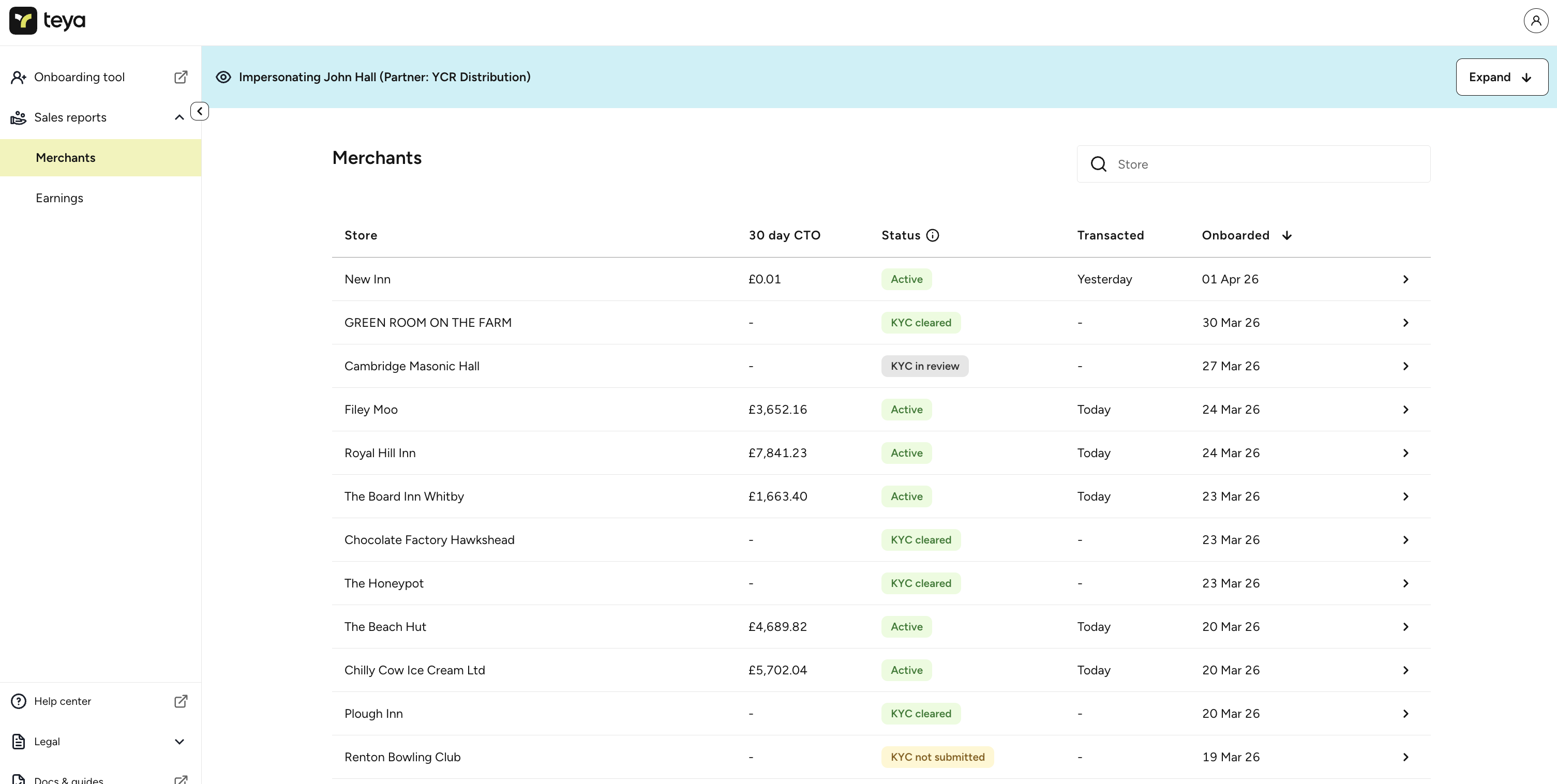
Designing a self-service portal for 600+ sales partners to manage merchant portfolios, track commissions, and drive activation, scaling Teya's partner channel from 300 to 5,500+ merchants per month.
View Case Study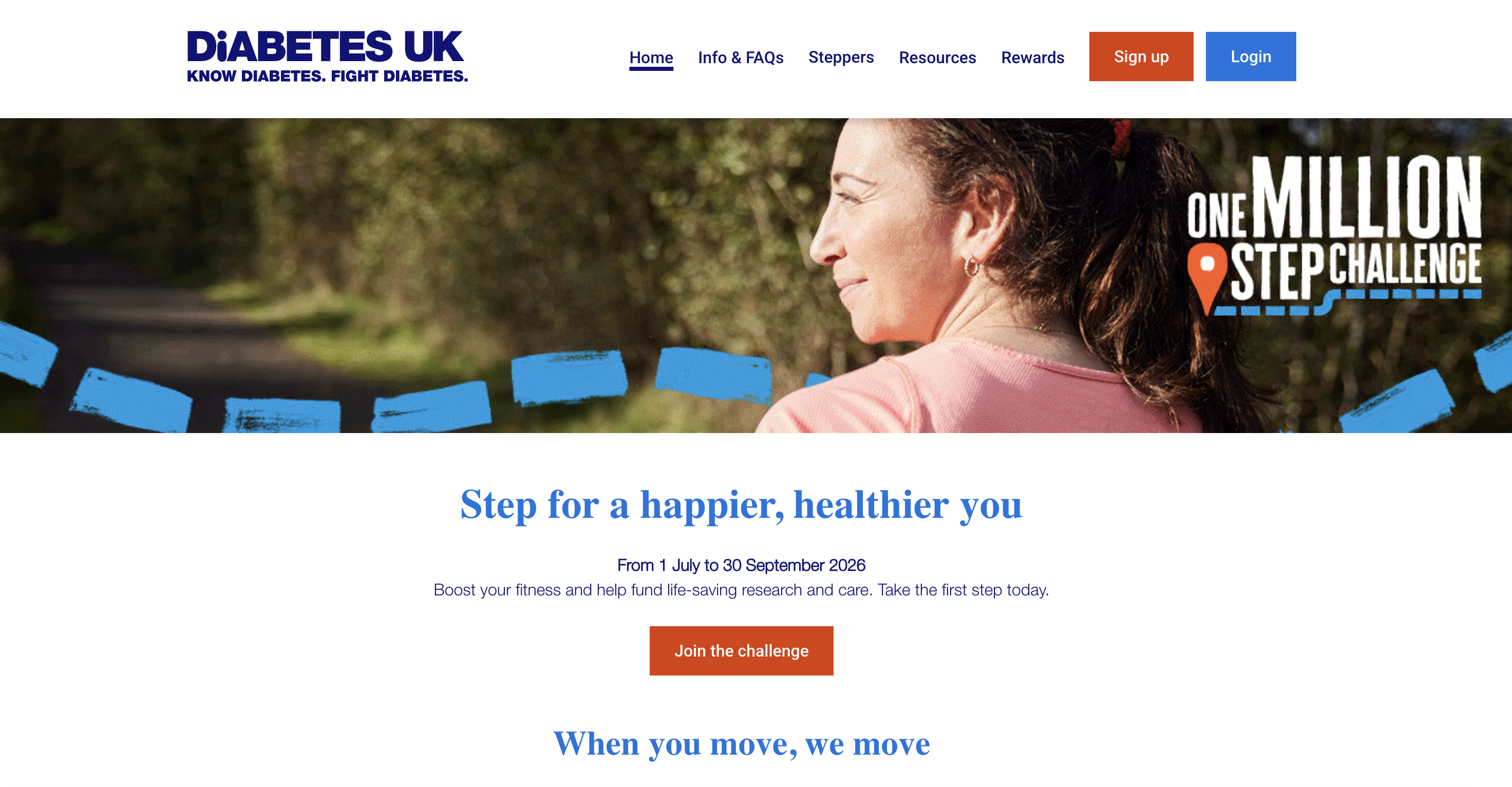
A mixed-methods usability study of the One Million Step Challenge microsite, combining task observation with SEQ, PSSUQ, and UEQ instruments to uncover 22 usability issues and deliver prioritised recommendations to the charity's digital team.
View Case Study
A mixed-methods study combining naturalistic observations, ethnography at sea, photo diaries, and participatory co-design to explore how sailors plan charter holidays, producing 32 design guidelines for a domain with no existing co-design research.
View Case Study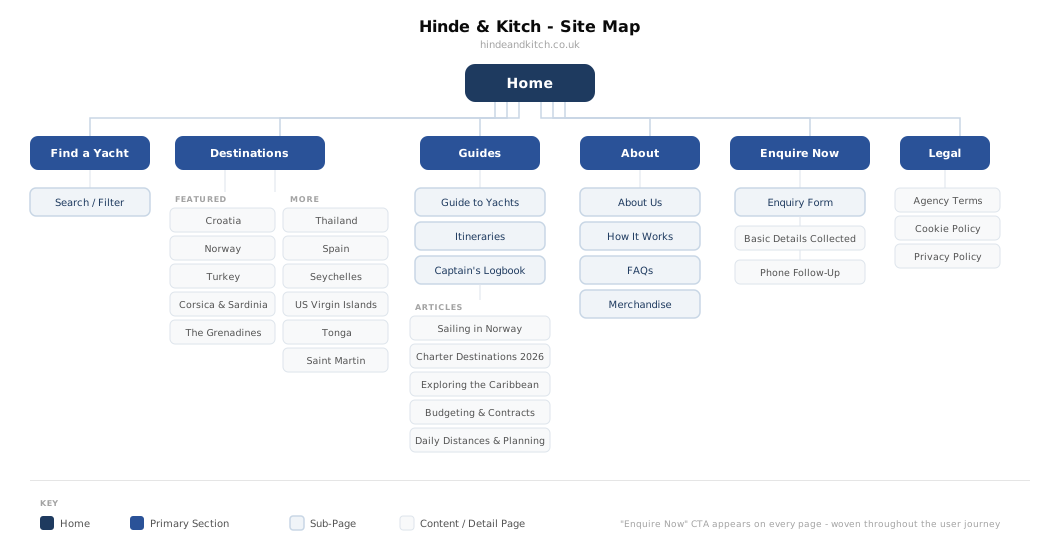
Designed and built a content-led website for a luxury yacht charter company, combining destination storytelling with an optimised enquiry flow to turn a word-of-mouth business into a digital one.
View Case Study
A theory-driven observational study applying Information Foraging Theory and Error & Resilience to understand how users research ski holidays, producing nine evidence-based design principles.
View Case StudyHow I Work
My work follows the Design Thinking process — a user-centred methodology that drives innovation by deeply understanding people before building solutions. It moves through three phases: understand, explore, and materialise.
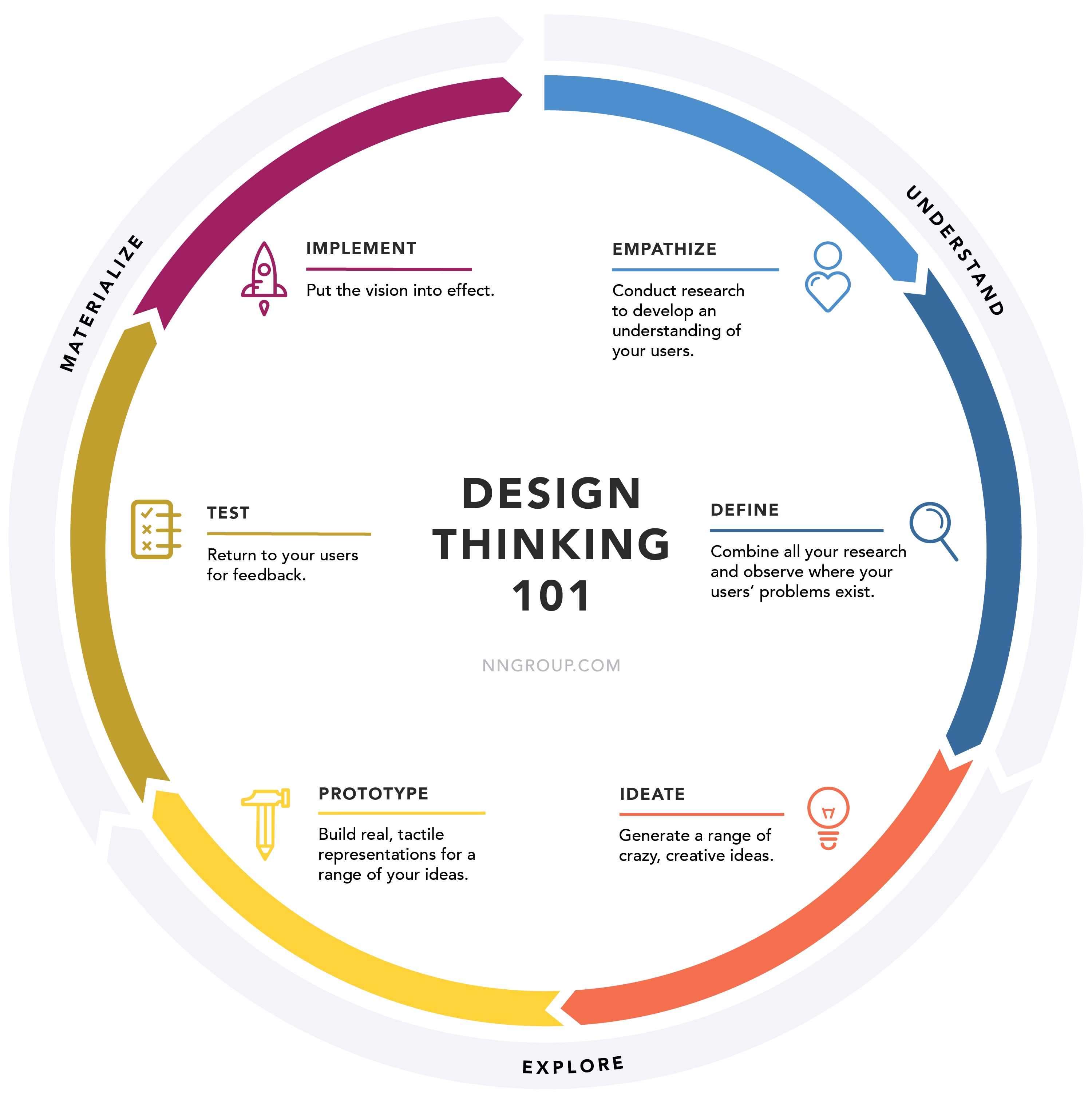
Conduct research to understand what users do, think, and feel. This is the foundation — without direct observation and engagement, solutions are built on assumptions rather than evidence.
Synthesise research findings to pinpoint where problems exist and highlight unmet needs. This transforms raw observations into actionable insights and frames the right problem to solve.
Generate a broad range of creative solutions without limiting judgement. Prioritising quantity over quality at this stage ensures the best ideas surface from unexpected directions.
Build tangible representations of the strongest ideas to test feasibility and impact. Prototyping makes abstract concepts concrete and exposes flaws before they become costly.
Return solutions to real users for validation. Testing verifies whether prototypes genuinely meet user needs and reveals improvements that internal review alone cannot uncover.
Execute the vision in the real world. This is the most important stage — where concepts become lived user experiences and the value of all prior research is realised.
I'm currently open to UX research and design roles. Whether you have a project in mind or just want to connect, I'd love to hear from you.